

Spoiler: it’s not only about learning to fight nice
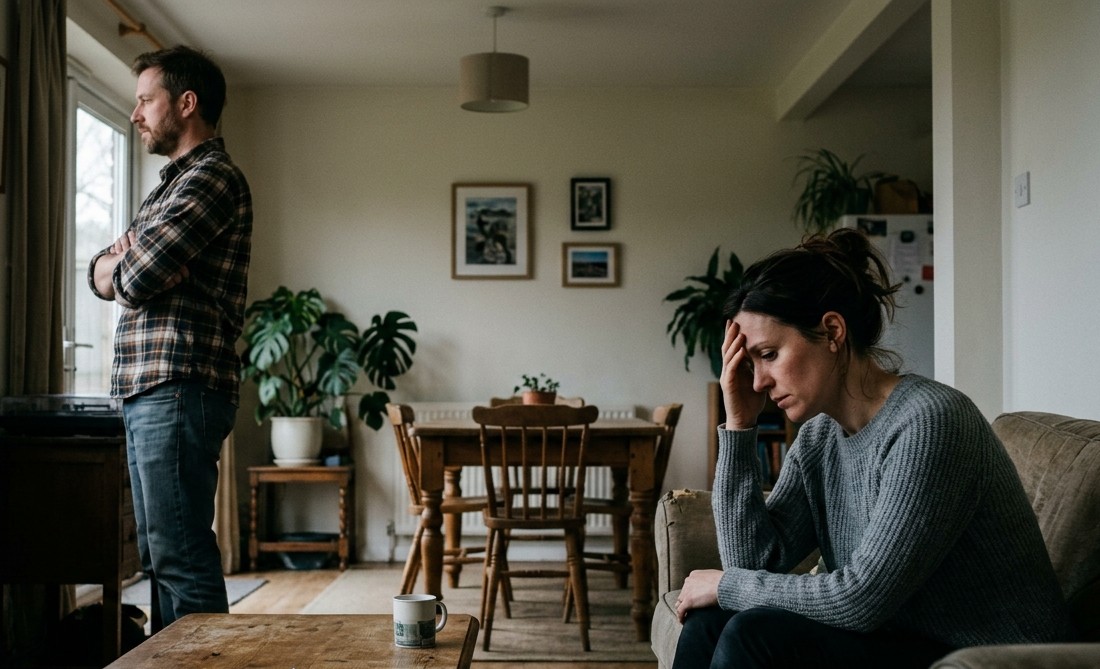
I’ve heard it so many times I’ve stopped being surprised by it. Couple sits down, fifteen minutes in, one of them says — almost apologetically — “we’ve basically just become roommates.”
The other person nods. Sometimes there’s relief. Like finally, someone said it.
And that’s usually why they’re in my room.
Date night won’t fix this
Here’s the uncomfortable truth: if your relationship is genuinely struggling, no amount of candlelit dinners or couples quizzes is going to touch it. You can’t outsmart disconnection with activities. You have to actually look at what’s underneath it.
In most cases, it’s not drama that breaks couples down. It’s the slow, boring accumulation of unaddressed stuff. Communication that got lazy. Needs that stopped getting named. Two people managing the relationship from a distance instead of actually being in it.
The other one I see constantly — and this one catches people off guard — is couples who never fight. They’ve gotten so good at keeping the peace that nothing real ever gets said. Unsaid things don’t go away though. They become resentment. And resentment is relationship poison, slow-acting and easy to miss until it isn’t.
What actually changes things
- Be honest about what you need. Not what sounds reasonable. What you actually need. A lot of people have never said it out loud — not to their partner, not even to themselves.
- Stop the scoreboard. Once you’re both quietly keeping track of who gives more, who sacrifices more, everything becomes transactional. Nothing kills intimacy faster than feeling like you’re in a business arrangement.
- Learn to repair properly. Most couples know how to apologise. Fewer know how to actually repair after conflict — how to restore safety, not just close the argument. That’s a skill. It can be learned.
- Accept that love changes shape. The early intensity — the butterflies, the obsession — that’s neurochemistry. It’s not built to last. What comes after it, if you build it, is more sustaining. A lot of couples hit that natural dip and assume it’s over. It’s not. It’s just a different chapter. The question is whether you want to write it.
You don’t have to wait until it’s bad
Couples therapy has this reputation as a last resort. The place you go when you’re weeks from separating and need a referee.
The couples who get the most out of it are the ones who come in before it gets that bad. When there’s still goodwill. When both people still want to be there but don’t quite know how to find each other again.
If something feels off — not catastrophically wrong, just off — that’s worth paying attention to.
Relationships don’t fix themselves. They need tending. And asking for help with that isn’t failure. It’s just being honest about what the relationship deserves.